

DEPARTMENTS
Gene Regulation and Molecular Therapies Department
About us
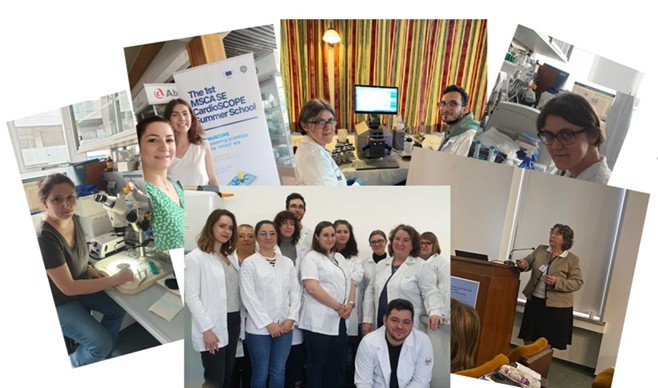
We are currently working in the field of atherosclerosis, focusing on therapeutic strategies and the detailed study of lipid metabolism. We use molecular tools and in vitro and in vivo models to explore the roles of various apolipoproteins in modulating lipoprotein function, inflammatory signaling, and metabolic cross-talk, including their impact on glucose metabolism and mitochondrial function in energy production.
Through our research, we aim to connect fundamental discoveries with real-world therapeutic advances in cardiovascular medicine. By integrating molecular insights with translational strategies, we attempt to shape innovative approaches to combat vascular diseases.
The research infrastructure is updated and includes the equipment needed for molecular biology (cloning, PCR, Real Time PCR, ChIP, electroporation, transfections), biochemistry (western blot, ELISA, spectrophotometric and luminescent assays), cell culture, adeno- and lentiviral production, packaging and transduction, cell encapsulation, lipoprotein fraction analysis (FPLC and Lipoprint).
Research infrastructure and services: https://eertis.eu/erlb-2300-000h-0702
Our group was deeply involved in collaborative research.
Currently, we are implementing the project "Comprehensive and personalized assessment of acute coronary syndrome by multiomic approach and artificial intelligence strategy" under the HORIZON-MSCA-2021-SE-01-01 CARDIOSCOPE Grant Agreement nº 101086397 (2023–2026), led by Dr. Paolo Magni (University of Milan). This project is an impressive opening between academic and private companies, and an excellent opportunity for collaborative research.
The project STROMA (PNRR contract 258/2023), led by Dr. Kyriakos Kypreos, is a fruitful collaboration between our team and Dr. Kypreos’ team: Strengthening Romanian competence in metabolic syndrome research by exploring the role of apolipoprotein A2 in dyslipidemia, obesity, and type II diabetes mellitus.
We were part of the international project Integrative Personal Omics Profiles in Glioblastoma Recurrence and Therapy Resistance – ERA-NET PerMed (2019–2022), with Anca Gafencu as the Coordinator for the Romanian team.
We have had a fruitful collaboration with Prof. Dimitris Kardassis (University of Crete, Greece), which began in 2002, when Anca Gafencu was a visiting fellow in Prof. Kardassis' lab under a NATO Science grant – Collaborative linkage grant: "Role of ApoE in cholesterol and triglyceride homeostasis".
We were part of previous COST actions (HDLNet -BM0904), and we are actively participating in current COST actions: AtheroNet (CA 21153), CardioPharmaGENET (CA24165).
Scientific meetings and training courses
- 2007 – Advances in gene regulation (contract 016873/2005 - SERA)
- 2008 – From gene expression and protein activation to human diseases (contract 016873/2005 - SERA)
- 2012 – Simionescu Advanced School of Cellular and Molecular Approaches for the Progress of the Biomedical Research (Nov 5–14, supported by UEFISCDI)
- 2013 – “HDL Physiology, Regulation and Therapeutic Potential” (Bucharest and Sinaia, Aug 26–30; COST ACTION BM0904)
- 2021 – Encapsulation of cells and drugs: materials, processes, and applications (project INTERA1)
- 2023 – “The first COST Action CA 21153 AtheroNet MC and WG Meeting” (Bucharest, Mar 21–24; COST ACTION CA21153)
Team members
Head of the department
Dr. Anca Violeta Gafencu
anca.gafencu@icbp.ro

Author ID: 6506192688
ORCID: 0000-0002-1290-1346
Habilitation in Biology (2021)
Other positions
- Member of the Scientific Council of ICBP (since 2014)
- President of the Commission 19 (Biology) of CNATDCU (2020–2024)
- Member of the Management Committee of COST Action AtheroNet CA 21153 (2023–2026)
- Member of the Management Committee of COST Action CardioPharmaGenet (2025–2028)
- Member of the National Scientific Research Council (CNCS)
- Member of the Management Committee of COST Action HDLNet BM 0904 (2010–2014)
- Executive Manager of FP5 “Centre of Excellence” (2000–2004) and FP6 SERA (2004–2007) coordinated by Acad. Maya Simionescu
Metrics & service
- H-index: 16 (Scopus), 19 (Google Scholar)
- Citations: 1574 (Scopus), 2212 (Google Scholar)
- Reviewer for journals (Atherosclerosis, Cell and Tissue Research, Gene, Jove, Molecules, MDPI journals, Nutrition and Metabolism, Pharmaceuticals, BBA, etc.)
- Reviewer for project applications (UEFISCDI, Research Foundation Flanders-FWO)
Awards
- 2007: CNCSIS Prize (grant “Regulation of Apolipoprotein Gene Clusters...”)
- 2007: Prize of Excellency – National Foundation for Science and Art
- 2025: Nicolae Simionescu Prize of the Romanian Academy
Experienced researchers
Dr. Madalina Dumitrescu
madalina.dumitrescu@icbp.ro
Dr. Madalina Fenyo
madalina.fenyo@icbp.ro
Dr. Elena Fuior
elena.fuior@icbp.ro
Dr. Radu Ionita
radu.ionita@icbp.ro

Author ID: 57192676499 ORCID: 0000-0001-6944-7255 Citations: 304 (Scopus), 440 (Google Scholar)
Expertise: DNA/RNA isolation, gene expression (PCR/qPCR), ELISA/Western blot, cell culture, immunohistochemistry, fluorescence microscopy, animal experimentation and behavioral assessment in experimental conditions.
Dr. Irina Tudorache
irina.tudorache@icbp.ro
https://orcid.org/0000-0001-5692-1560

Expertise: arterial disease research; molecular cloning, transfection, PCR, Western blot; development/optimization of lentiviral production and transduction for in vivo and in vitro studies.
Dr. Violeta Bivol (Trusca), Scientific researcher III
violeta.bivol@icbp.ro
https://orcid.org/0000-0003-2980-3811
- 2012: Special prize of the Jury – L’Oréal “Women in Science”
- 2009: Best Poster Prize: “The interaction between the promoter and distal regulatory elements modulates the apoE expression in macrophages.”
PhD students
- Gabriela Ciumeica – Gabriela.florea@icbp.ro
- Sanziana Daraban – sanziana.daraban@icbp.ro
- Madalin Ghinea – madalin.ghinea@icbp.ro (PhD Thematics: New metabolomic markers associated with cardiovascular diseases and their complications)
- Oana Mirancea – oana.mirancea@icbp.ro (PhD Thematics: Apolipoprotein E – Apolipoprotein A2 interactions)
- Marius Multescu – marius.multescu@icbp.ro (PhD Thematics: The effect of apolipoproteins on energy metabolism)

During my PhD, I am focusing on the impact of different apolipoproteins, such as ApoAI, ApoAII, and ApoE, on energy metabolism. I use both in vitro and in vivo models, overexpressing apolipoproteins through adenoviral-mediated gene transfer. I have experience in cell culture; producing and purifying lentiviruses for in vitro/in vivo applications; DNA/RNA isolation; molecular cloning; PCR; Western blot; transfection; viral transduction; maintaining breeding lines; performing intraperitoneal injections; isolating organs and tissues; Lipoprint subfraction tests; and high-resolution respirometry (O2k Oroboros).
Technical Staff
Ms. Mihaela Bratu – Mihaela.bratu@icbp.ro
Research
The work of the Gene Regulation and Molecular Therapies Department is interdisciplinary and employs state-of-the-art techniques in molecular biology, biochemistry, and viral transduction in experiments on cell cultures and animal models.
The results are relevant to cell biology (transcytosis, cellular receptors), gene expression, the regulation of proteins involved in lipid metabolism and cardiovascular diseases, and the development of new therapeutic strategies. Our main findings focused on endothelial cell biology, placental transport, and receptor-mediated processes are related to:
- Transcytosis of macromolecules and caveolae composition
- IgG receptors in placental endothelium
- Transferrin receptors and transcytosis
Gene regulation findings
Findings in gene regulation map a coherent regulatory network in which inflammatory signaling and metabolic cues shape apolipoprotein gene expression (especially ApoE and ApoC-II) in macrophages and CVD-related cells, with direct implications for atherogenesis, HDL biology, and oxidative stress. The results define transcriptional control points (STAT1, NF-κB, AP-1, KLF4, CREB, RXRα) and modulatory inputs (glucocorticoids, thyroid hormones, homocysteine, endotoxin, metformin):
- Inflammatory signaling integrates at the ApoE promoter
- STAT1 as a macrophage-selective activator via chromatin looping
- KLF4 and CREB act synergistically to enhance ApoE
- Homocysteine suppresses ApoE via NF-κB
- Glucocorticoids act on ApoE expression differentially by cell type
- Endotoxin downregulates ApoE, and metformin mitigates the effect
- Thyroid hormones upregulate ApoE in astrocytes
- STAT1–RXRα cooperativity elevates ApoC-II in macrophages
- Bisphenol A and ApoA-I downregulation via NF-κB
Translational research
Translational research focused on engineering mesenchymal stromal cells (MSCs) to overexpress Fas ligand to enhance their immunosuppressive and cytotoxic capacities. We established a method for adenoviral production and optimized transduction of murine MSCs, making the approach practical and reproducible. Main discoveries include:
- Production of an adenovirus-delivered FasL minigene
- MSC transduction
- FasL overexpression in MSCs augments suppression and killing of activated immune cells
- MSC-FasL exhibits enhanced suppression of T cells and other immune effectors
Current lipoprotein work
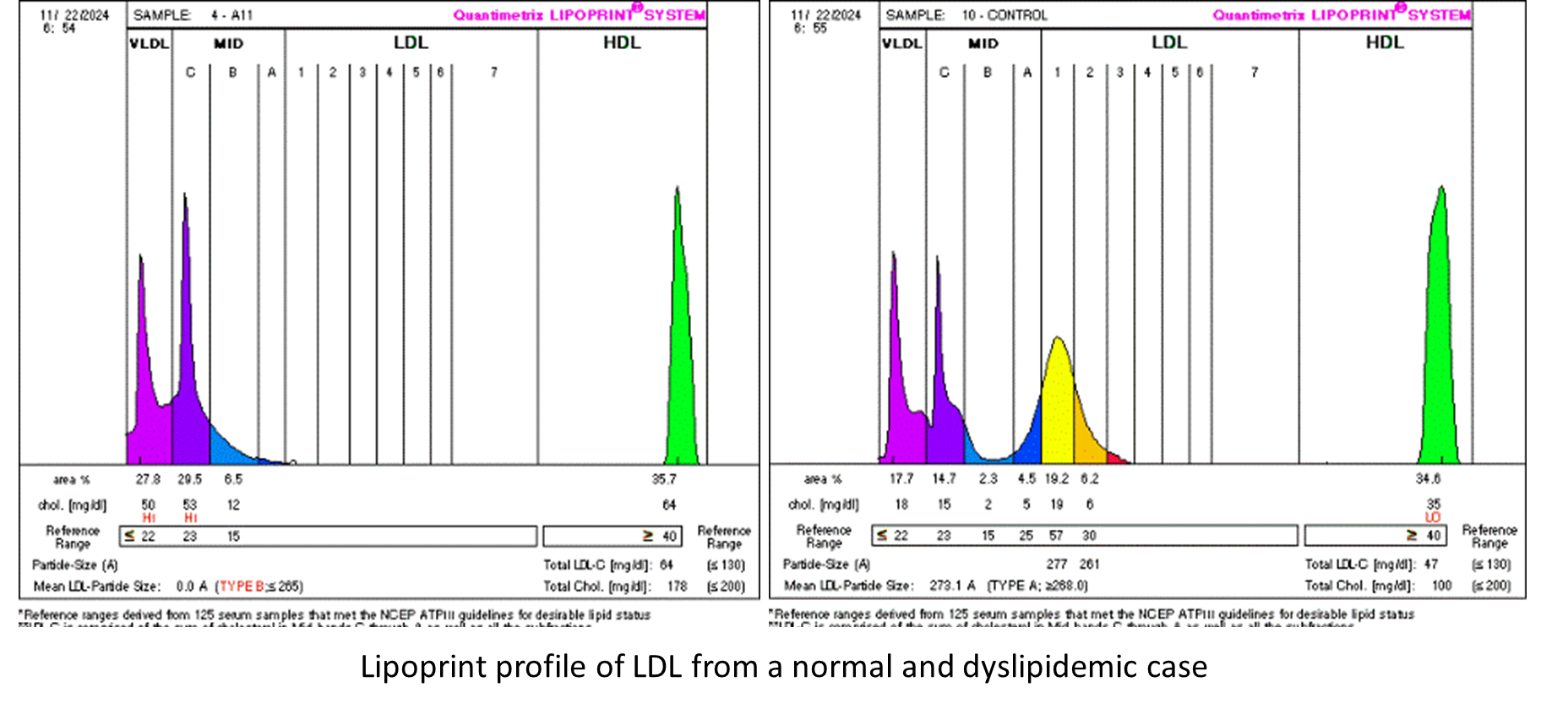
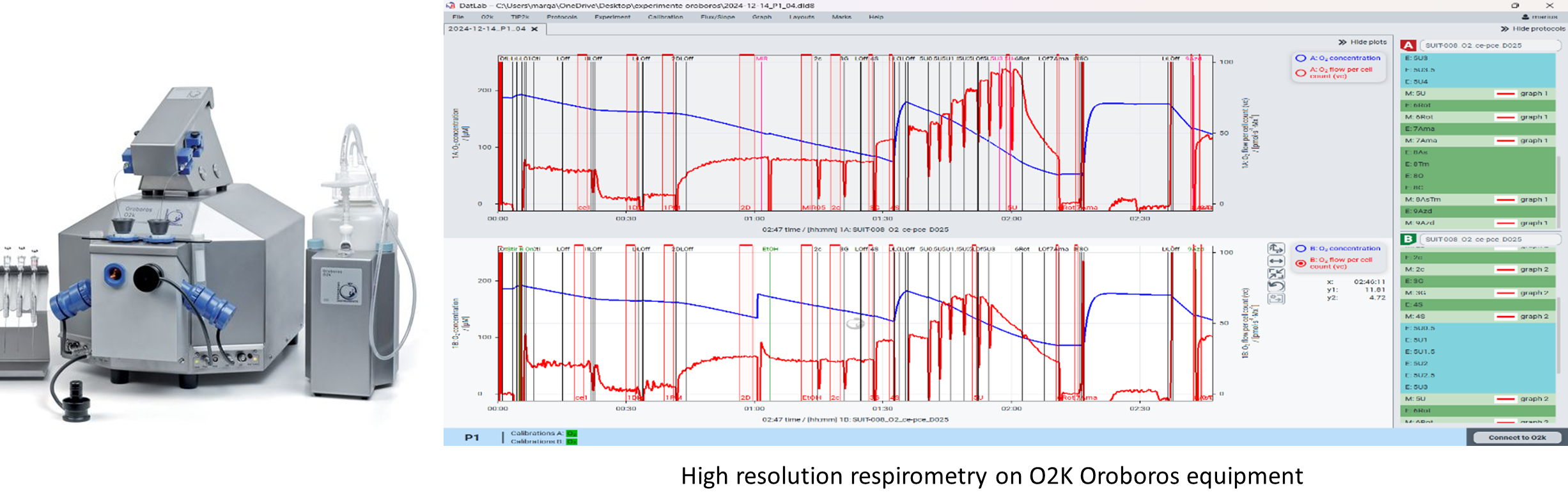
We analyze the functions of apolipoproteins in lipid metabolism and their interactions with glucose and energy metabolism, using classical techniques (ultracentrifugation, Western blot, Real-Time PCR) and modern tools including high-resolution mitochondrial respirometry (Oroboros). We determine lipoprotein subfractions using the Lipoprotein Subfractions Testing System (Quantimetrix), with gels analyzed using Lipoware software for cholesterol levels across fractions and LDL subfractions.
Ongoing projects
- 2023–2026 STROMA – Strengthening Romanian competence in metabolic syndrome research by exploring the role of apolipoprotein A2 in dyslipidemia, obesity, and type II diabetes mellitus (PNRR contract 258/2023), led by Kyriakos Kypreos.
- 2023–2026 CardioScope – Comprehensive and personalized assessment of acute coronary syndrome by multiomic approach and artificial intelligence strategy (HORIZON-MSCA-2021-SE-01-01 CARDIOSCOPE Grant Agreement nº 101086397). Project director: Dr. Paolo Magni (University of Milan). Coordinator of the Romanian team: Anca Gafencu.
Completed projects
-
2022-2024: “A novel anti-atherosclerotic chimeric protein that impedes the infiltration of the inflammatory cells in the vessel wall”PN-III-P4-PCE-2021-1755, Project Director A. Gafencu.
- 2020-2022: Demonstration of the enhanced anti-atherosclerotic potential of apolipoprotein E targeted to the activated endothelium, by fusion with VCAM-1 binding peptide -project PN-III-P2-2.1-PED-2019- 4574 Project Director A. Gafencu
- 2019-2022: Integrative Personal Omics Profiles in Glioblastoma Recurrence and Therapy Resistance – ERA-NET PerMed – A. Gafencu - Coordinator for Romanian team
- 2016-2020 Improve institutional competitiveness in the field of type 1 diabetes by developing an innovative concept of immunotherapy based on mesenchymal stromal cells ACRONYM: DIABETER Project Director Nadir Askenasy.
- 2015-2017: Genetically engineered apolipoproteins immobilized on nanoparticles: a Molecular Trojan horse targeting atherosclerotic plaque (Acronym: APGEN) PN-II-RU-TE-2014-4-2143, Projects for Young Research Teams, supported by CNCSIS Romania (2015-2017), Project Director A. Gafencu.
- 2011-2016: Apolipoprotein E-based novel anti-atherosclerosis cell-therapy approaches, Exploratory research projects, project PN-II ID_PCE-2011-3-0591, supported by CNCSIS Romania (2011-2016), Project Director A. Gafencu.
- 2009-2011: Novel strategies employing genetic engineering to increase plasma HDL- the protective lipoproteins in atherosclerosis, Exploratory research projects:1307 supported by CNCSIS Romania, Project Director A. Gafencu.
- 2005-2007: Regulation of apolipoprotein gene clusters- an innovative therapeutic approach of neurodegenerative and cardiovascular diseases- Grant awarded by the Romanian Ministry of Research: “Excellence Research Program: Projects for Young Researchers.” Project Director A. Gafencu.
- 2005-2007: Regulation of the expression of the human apolipoprotein E gene in macrophages and the brain: new approaches for the treatment of dyslipidemias and Alzheimer’s Disease- Grant awarded by the Greek and Romanian Ministries of Research- to Prof Dimitris Kardassis and Dr. Anca Gafencu
- 2003-2005: ApoE gene regulation - therapeutic target in cardiovascular and neurodegenerative diseases -Grant awarded by the Romanian Ministry of Research- National Research Program for Biotechnology "BIOTECH" Project Director A. Gafencu.
- 2001-2003: Characterization of albumin and IgG receptors, expressed by the endothelial cells in normal and pathologic states Grant awarded by the Romanian Ministry of Research- National Research Program "CERES" Project Director A. Gafencu.
- 2000: Functional analysis of the IgG receptors in endothelial cells - Grant awarded by the Romanian Research Ministry Project Director A. Gafencu.
- 1999: Identification of FcR in human placental endothelial cells-Grant awarded by the Romanian Academy Project Director A. Gafencu.
- 1998: Immortalization of endothelial cells -Grant awarded by the Romanian Academy Project Director A. Gafencu.
- 1997-1998: Lipid composition of the microdomains of the endothelial cell membrane-Grant awarded by the Romanian Academy Project Director A. Gafencu.
- 1996-1999: Biochemical and functional characterization of the endothelial plasmalemma Grant awarded by the Romanian Research Ministry Project Director A. Gafencu.
Publications
PubMed-indexed papers (selected)
- Hypertriglyceridemia impairs HDL functionality, promotes macrophage metabolic activation and exacerbates antigen-induced rheumatoid arthritis in mice which can be reversed by fenofibrate treatment. Axiotis I, Kakale A, Lazaridou D, Dedemadi AG, Chroni A, Multescu M, Gafencu AV, Tzardi M, Kardassis D. Biochim Biophys Acta Mol Cell Biol Lipids. 2025 Sep 8;1870(8):159686
- Unravelling molecular mechanisms in atherosclerosis using cellular models and omics technologies. Kardassis D, Vindis C, Stancu CS, Toma L, Gafencu AV, Georgescu A, Alexandru-Moise N, Molica F, Kwak BR, Burlacu A, Hall IF, Butoi E, Magni P, Wu J, Novella S, Gamon LF, Davies MJ, Caporali A, de la Cuesta F, Mitić T. Vascul Pharmacol. 2025 Mar;158:107452. doi: 10.1016/j.vph.2024.107452. Epub 2024 Dec 10. PMID: 39667548
- Proteometabolomics of initial and recurrent glioblastoma highlights an increased immune cell signature with altered lipid metabolism. Cosenza-Contreras M, Schäfer A, Sing J, Cook L, Stillger MN, Chen CY, Hidalgo JV, Pinter N, Meyer L, Werner T, Bug D, Haberl Z, Kübeck O, Zhao K, Stei S, Gafencu AV, Ionita R, Brehar FM, Ferrer-Lozano J, Ribas G, Cerdá-Alberich L, Martí-Bonmatí L, Nimsky C, Van Straaten A, Biniossek ML, Föll M, Cabezas-Wallscheid N, Büscher J, Röst H, Arnoux A, Bartsch JW, Schilling O. Neuro Oncol. 2023 Oct 26:noad208. doi: 10.1093/neuonc/noad208. PMID: 37882631
- Peroxisome Proliferator-Activated Receptor α in Lipoprotein Metabolism and Atherosclerotic Cardiovascular Disease, Fuior EV, Zvintzou E, Filippatos T, Giannatou K, Mparnia V, Simionescu M, Gafencu AV., Kypreos KE, Biomedicines 2023, 11(10), 2696; https://doi.org/10.3390/biomedicines11102696 - 03 Oct 2023
- Synthetic lipoproteins based on apolipoprotein E coupled to fullerenol have anti-atherosclerotic properties. Tudorache IF, Bivol VG, Dumitrescu M, Fenyo IM, Simionescu M, Gafencu AV. Pharmacol Rep. 2022 Aug;74(4):684-695. doi: 10.1007/s43440-022-00379-8. Epub 2022 Jul 5. PMID: 35790693
- Apolipoprotein A-II, a Player in Multiple Processes and Diseases. Florea G, Tudorache IF, Fuior EV, Ionita R, Dumitrescu M, Fenyo IM, Bivol VG, Gafencu AV. Biomedicines. 2022 Jul 2;10(7):1578. doi: 10.3390/biomedicines10071578. PMID: 35884883
- Treatment with Mesenchymal Stromal Cells Overexpressing Fas-Ligand Ameliorates Acute Graft-versus-Host Disease in Mice. Vacaru AM, Mazilu AM, Dumitrescu M, Fenyo IM, Gafencu AV, Vacaru AM. Int J Mol Sci. 2022 Jan 4;23(1):534. doi: 10.3390/ijms23010534. PMID: 35008964
- An Efficient Method for Adenovirus Production. Dumitrescu M, Trusca VG, Fenyo IM, Gafencu AV. J Vis Exp. 2021 Jun 10;(172). doi: 10.3791/61691. PMID: 34180881
- K2 Transfection System Boosts the Adenoviral Transduction of Murine Mesenchymal Stromal Cells. Dumitrescu M, Vacaru AM, Trusca VG, Fenyo IM, Ionita R, Gafencu AV. Int J Mol Sci. 2021 Jan 9;22(2):598. doi: 10.3390/ijms22020598. PMID: 33435318
- Enhanced Suppression of Immune Cells In Vitro by MSC Overexpressing FasL. Vacaru AM, Dumitrescu M, Vacaru AM, Fenyo IM, Ionita R, Gafencu AV, Simionescu M. Int J Mol Sci. 2020 Dec 31;22(1):348. doi: 10.3390/ijms22010348. PMID: 33396269
- Adenovirus-Mediated FasL Minigene Transfer Endows Transduced Cells with Killer Potential. Dumitrescu M, Trusca VG, Savu L, Stancu IG, Ratiu AC, Simionescu M, Gafencu AV. Int J Mol Sci. 2020 Aug 20;21(17):6011. doi: 10.3390/ijms21176011. PMID: 32825521
- Simple and dual cross-linked chitosan millicapsules as a particulate support for cell culture. Fundueanu G, Constantin M, Bucatariu S, Nicolescu A, Ascenzi P, Moise LG, Tudor L, Trusca VG, Gafencu AV, Ficai D, Ficai A, Andronescu E. Int J Biol Macromol. 2020 Jan 15;143:200-212. doi: 10.1016/j.ijbiomac.2019.12.045. Epub 2019 Dec 6. PMID: 31816371
- The Mechanism of Bisphenol A Atherogenicity Involves Apolipoprotein A-I Downregulation through NF-κB Activation. Trusca VG, Dumitrescu M, Fenyo IM, Tudorache IF, Simionescu M, Gafencu AV. Int J Mol Sci. 2019 Dec 12;20(24):6281. doi: 10.3390/ijms20246281. PMID: 31842455 Free PMC article.
- Apolipoprotein C1: Its Pleiotropic Effects in Lipid Metabolism and Beyond. Fuior EV, Gafencu AV. Int J Mol Sci. 2019 Nov 26;20(23):5939. doi: 10.3390/ijms20235939. PMID: 31779116 Free PMC article. Review.
- The Opposite Effect of c-Jun Transcription Factor on Apolipoprotein E Gene Regulation in Hepatocytes and Macrophages. Trusca VG, Fuior EV, Kardassis D, Simionescu M, Gafencu AV. Int J Mol Sci. 2019 Mar 23;20(6):1471. doi: 10.3390/ijms20061471. PMID: 30909560
- Apolipoprotein E - A Multifunctional Protein with Implications in Various Pathologies as a Result of Its Structural Features. Tudorache IF, Trusca VG, Gafencu AV. Comput Struct Biotechnol J. 2017 Jun 6;15:359-365. doi: 10.1016/j.csbj.2017.05.003. eCollection 2017. PMID: 28660014
- Preferential Association of Lissencephaly-1 Gene Expression with CD133+ Glioblastoma Cells. Brehar FM, Gafencu AV, Trusca VG, Fuior EV, Arsene D, Amaireh M, Giovani A, Gorgan MR. J Cancer. 2017 May 11;8(7):1284-1291. doi: 10.7150/jca.17635. eCollection 2017. PMID: 28607604
- Differential action of glucocorticoids on apolipoprotein E gene expression in macrophages and hepatocytes. Trusca VG, Fuior EV, Fenyo IM, Kardassis D, Simionescu M, Gafencu AV. PLoS One. 2017 Mar 29;12(3):e0174078. doi: 10.1371/journal.pone.0174078. eCollection 2017. PMID: 28355284
- High levels of homocysteine downregulate apolipoprotein E expression via nuclear factor kappa B. Trusca VG, Mihai AD, Fuior EV, Fenyo IM, Gafencu AV. World J Biol Chem. 2016 Feb 26;7(1):178-87. doi: 10.4331/wjbc.v7.i1.178. PMID: 26981206
- Krüppel-like factor 4 synergizes with CREB to increase the activity of apolipoprotein E gene promoter in macrophages. Stavri S, Simionescu M, Kardassis D, Gafencu AV. Biochem Biophys Res Commun. 2015 Dec 4-11;468(1-2):66-72. doi: 10.1016/j.bbrc.2015.10.163. Epub 2015 Nov 4. PMID: 26546821
- Thyroid hormones upregulate apolipoprotein E gene expression in astrocytes. Roman C, Fuior EV, Trusca VG, Kardassis D, Simionescu M, Gafencu AV. Biochem Biophys Res Commun. 2015 Dec 4-11;468(1-2):190-5. doi: 10.1016/j.bbrc.2015.10.132. Epub 2015 Oct 29. PMID: 26519880
- Metformin reduces the endotoxin-induced down-regulation of apolipoprotein E gene expression in macrophages. Stavri S, Trusca VG, Simionescu M, Gafencu AV. Biochem Biophys Res Commun. 2015 May 29;461(2):435-40. doi: 10.1016/j.bbrc.2015.04.057. Epub 2015 Apr 18. PMID: 25899745
- Beyond Lipoprotein Receptors: Learning from Receptor Knockouts Mouse Models about New Targets for Reduction of the Atherosclerotic Plaque. Trusca VG, Fuior EV, Gafencu AV. Curr Mol Med. 2015;15(10):905-31. doi: 10.2174/1566524016666151123110310. PMID: 26592248
- Regulation of HDL genes: transcriptional, posttranscriptional, and posttranslational. Kardassis D, Gafencu A, Zannis VI, Davalos A. Handb Exp Pharmacol. 2015;224:113-79. doi: 10.1007/978-3-319-09665-0_3. PMID: 25522987
- The involvement of the monocytes/macrophages in chronic inflammation associated with atherosclerosis. Fenyo IM, Gafencu AV. Immunobiology. 2013 Nov;218(11):1376-84. doi: 10.1016/j.imbio.2013.06.005. Epub 2013 Jun 19. PMID: 23886694
- STAT1 interacts with RXRα to upregulate ApoCII gene expression in macrophages. Trusca VG, Florea IC, Kardassis D, Gafencu AV. PLoS One. 2012;7(7):e40463. doi: 10.1371/journal.pone.0040463. Epub 2012 Jul 12. PMID: 22808166
- Macrophage-specific up-regulation of apolipoprotein E gene expression by STAT1 is achieved via long range genomic interactions. Trusca VG, Fuior EV, Florea IC, Kardassis D, Simionescu M, Gafencu AV. J Biol Chem. 2011 Apr 22;286(16):13891-904. doi: 10.1074/jbc.M110.179572. Epub 2011 Mar 3. PMID: 21372127
- AP-1-dependent transcriptional regulation of NADPH oxidase in human aortic smooth muscle cells: role of p22phox subunit. Manea A, Manea SA, Gafencu AV, Raicu M, Simionescu M. Arterioscler Thromb Vasc Biol. 2008 May;28(5):878-85. doi: 10.1161/ATVBAHA.108.163592. Epub 2008 Feb 28. PMID: 18309110
- Regulation of NADPH oxidase subunit p22(phox) by NF-kB in human aortic smooth muscle cells. Manea A, Manea SA, Gafencu AV, Raicu M. Arch Physiol Biochem. 2007 Oct-Dec;113(4-5):163-72. doi: 10.1080/13813450701531235. PMID: 18158642
- Inflammatory signaling pathways regulating ApoE gene expression in macrophages. Gafencu AV, Robciuc MR, Fuior E, Zannis VI, Kardassis D, Simionescu M. J Biol Chem. 2007 Jul 27;282(30):21776-85. doi: 10.1074/jbc.M611422200. Epub 2007 Jun 6. PMID: 17553793
- Proliferation, differentiation and characterization of osteoblasts from human BM mesenchymal cells. Titorencu I, Jinga V, Constantinescu E, Gafencu A, Ciohodaru C, Manolescu I, Zaharia C, Simionescu M. Cytotherapy. 2007;9(7):682-96. doi: 10.1080/14653240701561329. PMID: 17917883
- Relationship of eNOS gene variants to diseases that have in common an endothelial cell dysfunction. Heltianu C, Costache G, Gafencu A, Diaconu M, Bodeanu M, Cristea C, Azibi K, Poenaru L, Simionescu M. J Cell Mol Med. 2005 Jan-Mar;9(1):135-42. doi: 10.1111/j.1582-4934.2005.tb00343.x. PMID: 15784171
- Investigation of IgG receptors expressed on the surface of human placental endothelial cells. Gafencu A, Heltianu C, Burlacu A, Hunziker W, Simionescu M. Placenta. 2003 Jul;24(6):664-76. doi: 10.1016/s0143-4004(03)00041-9. PMID: 12828925
- Transcytosis of plasma macromolecules in endothelial cells: a cell biological survey. Simionescu M, Gafencu A, Antohe F. Microsc Res Tech. 2002 Jun 1;57(5):269-88. doi: 10.1002/jemt.10086. PMID: 12112439
- Severity of oxidative stress generates different mechanisms of endothelial cell death. Burlacu A, Jinga V, Gafencu AV, Simionescu M. Cell Tissue Res. 2001 Dec;306(3):409-16. doi: 10.1007/s004410100424. Epub 2001 Oct 23. PMID: 11735041
- Expression of functionally active FcRn and the differentiated bidirectional transport of IgG in human placental endothelial cells. Antohe F, Rădulescu L, Gafencu A, Gheţie V, Simionescu M. Hum Immunol. 2001 Feb;62(2):93-105. doi: 10.1016/s0198-8859(00)00244-5. PMID: 11182218
- Establishment of a pure vascular endothelial cell line from human placenta. Jinga VV, Gafencu A, Antohe F, Constantinescu E, Heltianu C, Raicu M, Manolescu I, Hunziker W, Simionescu M. Placenta. 2000 May;21(4):325-36. doi: 10.1053/plac.1999.0492. PMID: 10833367
- Protein and fatty acid composition of caveolae from apical plasmalemma of aortic endothelial cells. Gafencu A, Stanescu M, Toderici AM, Heltianu C, Simionescu M. Cell Tissue Res. 1998 Jul;293(1):101-10. doi: 10.1007/s004410051102. PMID: 9634602
- Expression of transferrin receptors in endothelial cells transfected by electroporation. Heltianu C, Serban G, Alexandru V, Gafencu A, Simionescu N, Simionescu M. Eur J Cell Biol. 1997 Jan;72(1):79-89. PMID: 9013729
Other indexed publications (list)
1. Transfection of type I receptor for immunoglobulin G in bovine aortic endothelial cells C. Neagoe, A. Gafencu, C. Heltianu, Current Protocols in Cell Biology, 1998, 3: 378-383
2. Immortalization of endothelial cells A Gafencu, C. Heltianu, A. Burlacu, W. Hunziker, M. Simionescu, Proceedings of the Romanian Academy Series B, 2, p.117-121, 2001.
3. Hyperlipemic serum stimulates the binding and the endocytosis of IgG by the endothelial aortic cells A. Gafencu, O. Postea, C. Heltianu, M. Simionescu, Current Problems and Techniques in Cellular and Molecular Biology 2001 p79-83.
4. Albumin binding sites in human placental endothelial cells A. Gafencu, M Dutca, C. Heltianu, Analele SNBC p. 64-68, 2003.
5. Expression of apoE3-HRP chimeric molecule in HEK293 cells I.C. Florea, V. G. Trusca, I.M. Fenyo, A.V. Gafencu, vol. XIV nr. 2/2009, p21-27 Annals of the Romanian Society for Cell Biology.
6. The expression of translin is regulated by inflammatory stimuli in monocytes and macrophages E.V. Fuior, V.G. I.M. Fenyo, A.V Gafencu Annals of R.S.C.B., Vol. XIX, Issue 2, 2015, pp. 33 - 40
7. Enzymatic targets in atherosclerosis E.V. Fuior, V.G. Trusca, C.Roman, A.V Gafencu - J Mol Genet Med 9:176.
8. High levels of homocysteine downregulate apolipoprotein E expression via NF-kB V.G. Trusca, A. D. Mihai, E.V. Fuior, M.I. Fenyo, A.V. Gafencu World Journal of Biological Chemistry 2016;7(1):178-87. doi: 10.4331/wjbc.v7.i1.178.
Book chapters
1. Molecular targets for atherosclerosis treatment I.M. Fenyo and A.V. Gafencu. From Vascular Cell Biology to Cardiovascular Medicine, 2011: ISBN: 978-81-7895-503-2
2. Organotypic brain slice model in glioblastoma research F.M Brehar, A. Gafencu, MR Gorgan Book Chapter in Experimental Models in Glioblastoma Research January 01, 2015, Pages 73-83 ISBN: 978-163482535-1;978-163321924-3, Nova Science Publishers, Inc.
3. Signaling Pathways Regulating Gene Expression in Atherosclerosis Anca Violeta Gafencu, Ioana Madalina Fenyo, Elena Valeria Fuior, Madalina Dumitrescu, Oana Mirancea, Marius Multescu, Irina Florina Tudorache, José Basílio, Johannes A. Schmid and Dimitris Kardassis – in press 2025
Patent applications
1. Adenovirus containing murine FasL mini-gene for induction of the functional FasL expression in transduced cells – M.Dumitrescu, V.G.Truscă, A. Burlacu, M.Simionescu, N. Askenasy, A.V. Gafencu – OSIM A/00512/26.08.2019
2. The technologic process of polymeric vesicles and tubes formation, D.Ficai, A.Iliev, A.Ficai, V.G.Trusca, A. V.Gafencu, S-M.Bucatariu, C.G. Fundueanu, M. Simionescu, E. Andronescu – A 01054/5.12.2018
Logo

Departamentul Reglare Genică și Terapii Moleculare
Despre noi
Grupul nostru de cercetare din Departamentul Reglare Genică și Terapii Moleculare lucrează în domeniul aterosclerozei, concentrându-ne pe strategii terapeutice și studiul detaliat al metabolismului lipidic. Folosim instrumente moleculare și modele in vitro și in vivo pentru a explora rolul diverselor apolipoproteine în modularea funcției lipoproteinelor, semnalizarea inflamatorie și interacțiunea metabolică, inclusiv impactul acestora asupra metabolismului glucozei și funcției mitocondriale în producția de energie.
Prin cercetarea noastră, ne propunem să conectăm descoperirile fundamentale cu progresele terapeutice reale din medicina cardiovasculară. Prin integrarea cunoștințelor moleculare cu strategiile translaționale, încercăm să conturăm abordări inovatoare pentru combaterea bolilor vasculare.
Infrastructura de cercetare este actualizată și include echipamentele necesare pentru biologie moleculară (clonare, PCR, PCR în timp real, ChIP, electroporare, transfecții), biochimie (western blot, ELISA, teste spectrofotometrice și luminescente), cultură celulară, producție adeno- și lentivirală, ambalare și transducție, încapsulare celulară, analiză a fracțiunilor lipoproteice (FPLC și Lipoprint).
Infrastructura și serviciile de cercetare pot fi găsite la https://eertis.eu/erlb-2300-000h-0702
Grupul nostru a fost profund implicat în cercetarea colaborativă:
• În prezent, implementăm proiectul „Evaluarea personalizată a sindromului coronarian acut prin abordare multiomică și strategie de inteligență artificială” în cadrul acordului de finanțare HORIZON-MSCA-2021-SE-01-01 CARDIOSCOPE nr. 101086397 (2023-2026), condus de dr. Paolo Magni (Universitatea din Milano). Acest proiect reprezintă o deschidere impresionantă între mediul academic și companiile private și o oportunitate excelentă pentru cercetarea colaborativă.
• Proiectul „Consolidarea competențelor românești în cercetarea sindromului metabolic prin explorarea rolului apolipoproteinei A2 în dislipidemie, obezitate și diabet zaharat de tip II”(ACRONIM: STROMA) Proiect PNRR (contract 258/2023), condus de dr. Kyriakos Kypreos, este o colaborare fructuoasă între echipa noastră și echipa Prof. Kypreos.
• Am participat la proiectul internațional Integrative Personal Omics Profiles in Glioblastoma Recurrence and Therapy Resistance – ERA-NET PerMed (2019-2022), Anca Gafencu a fost coordonatoarea echipei românești.
• Am avut o colaborare fructuoasă cu prof. Dimitris Kardassis (Universitatea din Creta, Grecia), care a început în 2002, când Anca Gafencu a fost cercetător invitat în laboratorul Prof. Kardassis, în cadrul unui grant științific NATO – grant de colaborare: „Rolul ApoE în homeostazia colesterolului și trigliceridelor”, acordat prof. Vassilis Zannis, Facultatea de Medicină a Universității din Boston, SUA.
• Am participat la acțiuni COST anterioare (HDLNet -BM0904) și participăm activ la acțiunile COST actuale: AtheroNet (CA 21153), CardioPharmaGENET (CA24165).
Am organizat diverse întâlniri științifice și cursuri de formare cu participare internațională:
• 2007 - Progrese în reglarea genelor în cadrul contractului 016873/2005 - SERA
• 2008 - De la expresia genelor și activarea proteinelor la bolile umane în cadrul contractului 016873/2005- SERA
• 2012 - Școala Avansată Simionescu de Abordări Celulare și Moleculare pentru Progresul Cercetării Biomedicale. 5-14 noiembrie, cu sprijinul UEFISCDI
• 2013 – „Fiziologia, reglarea și potențialul terapeutic al HDL”. București și Sinaia, 26-30 august, în cadrul COST ACTION BM0904
• 2021 – Încapsularea celulelor și medicamentelor: materiale, procese și aplicații în cadrul proiectului INTERA1.
• 2023 – „Prima reuniune COST Action CA 21153 AtheroNet MC și WG – București, 21-24 martie, în cadrul COST ACTION CA21153 – Rețea pentru implementarea abordărilor multiomice în prevenirea și cercetarea bolilor cardiovasculare aterosclerotice (AtheroNET)
Membrii echipei
Șeful departamentului Dr. Anca Violeta Gafencu
Author ID: 6506192688;
ORCID ID 0000-0002-1290-1346
Abilitare in Biologie (2021)
Alte poziții:
• Membru al Consiliului științific al ICBP (din 2014)
• Președinte al Comisiei 19 (Biologie) a Consiliului Național pentru Acreditare a Diplomelor Universitare, Diplomelor și Certificatelor (CNATDCU) (2020-2024)
• Membru al Comitetului de management al COST Action AtheroNet CA 21153 (2023-2026)
• Membru al Comitetului de management al COST Action CardioPharmaGenet (2025-2028)
• Membru al Consiliului Național pentru Cercetare Științifică (CNCS)
• Membru al Comitetului de management al Acțiunii COST HDLNet BM 0904 (2010-2014)
• Director executiv al două proiecte coordonate de Acad. Maya Simionescu și sprijinite de Comisia Europeană: „Centrul de excelență”, grant FP5 ICA-CT-2000-70020 (2000-2004) și “Strengthening the European Research Area by Reinforcement of Romanian Research Competency in Genomics and Proteomics of Major Global Risk Diseases: Atherosclerosis, Diabetes and its Complications” grant FP6 016873 (2004-2007).
Hirsch's h-index: 17 (Scopus), 20 (Google Scholar)
Citări: 1600 citări (Scopus), 2250 (Google Scholar)
Recenzent pentru diverse articole științifice în reviste internaționale (Atherosclerosis, Cell and Tissue Research, Gene, Gordon immunopharmacology, Jove, Molecules, MPDI, Nutrition and Metabolism, Pharmaceuticals, BBA etc.).
Recenzent pentru cereri de proiecte (UEFISCDI, Research Foundation Flanders-FWO)
Awards:
2007: Premiul CNCSIS pentru rezultatele obținute în cadrul grantului „Reglarea clusterelor genice ale apolipoproteinelor – o abordare terapeutică inovatoare a bolilor neurodegenerative și cardiovasculare”.
2007: Premiul de excelență – Fundația Națională pentru Știință și Artă.
2025: Premiul Nicolae Simionescu al Academiei Române
Experienced researchers:
Dr. Madalina Dumitrescu madalina.dumitrescu@icbp.ro
Dr. Madalina Fenyo madalina.fenyo@icbp.ro
Dr. Elena Fuior elena.fuior@icbp.ro
Dr. Radu Ionita radu.ionita@icbp.ro
Author ID: 57192676499;
ORCID ID: 0000-0001-6944-7255
Citations: 304 citations (Scopus), 440 (Google Scholar)
Am experiență în tehnici de biologie moleculară, cum ar fi izolarea ADN-ului și ARN-ului, cuantificarea expresiei genelor (PCR și qPCR), teste imunologice (ELISA, Western Blot), culturi celulare, imunohistochimie și microscopie cu fluorescență, competențe în experimentarea pe animale de laborator, precum și în evaluarea comportamentului modelelor animale în diverse condiții experimentale.
Dr. Irina Tudorache irina.tudorache@icbp.ro
https://orcid.org/0000-0001-5692-1560
Am experiență în cercetarea bolilor arteriale, utilizând tehnici de biologie moleculară precum clonarea moleculară, transfecția, PCR și Western blotting. În ultimii ani, am fost implicat în dezvoltarea și optimizarea producției și transducției lentivirale pentru studii in vivo și in vitro.
Dr. Violeta Bivol (Trusca), Scientific researcher III.
https://orcid.org/0000-0003-2980-3811
2012 | Premiul special al juriului acordat de L’Oréal - Concursul „Femeile în știință”
2009 | Premiul pentru cel mai bun poster intitulat: „Interacțiunea dintre promotor și elementele de reglare distale modulează expresia apoE în macrofage”.
Doctoranzi:
Gabriela Ciumeica Gabriela.florea@icbp.ro
Sanziana Daraban sanziana.daraban@icbp.ro
Madalin Ghinea madalin.ghinea@icbp.ro, Tematica doctoratului: Noi markeri metabolomici asociați cu bolile cardiovasculare și complicațiile acestora
Oana Mirancea oana.mirancea@icbp.roTematica doctoratului: Interacțiunile dintre apolipoproteina E și apolipoproteina A2
Marius Multescu marius.multescu@icbp.ro
Tematica doctoratului: Efectul apolipoproteinelor asupra metabolismului energetic
În cadrul stagiului de doctorat, mă concentrez asupra impactului diferitelor apolipoproteine, precum ApoAI, ApoAII și ApoE, asupra metabolismului energetic. În cercetarea mea, utilizez atât modele in vitro, cât și in vivo. In cadrul proiectului de doctorat voi supraexprima apolipoproteinele menționate mai sus prin transferul de gene mediat de adenovirus. Am experiență în cultura celulară și în producerea și purificarea lentivirusurilor pentru aplicații in vitro și in vivo. Sunt familiarizat cu tehnicile de biologie moleculară, inclusiv izolarea ADN-ului și ARN-ului, clonarea moleculară, PCR, Western blot, transfecția și transducția virală. Activitatea mea cu animale de laborator include întreținerea liniilor de reproducere, efectuarea de injecții intraperitoneale și izolarea organelor și țesuturilor. Am experiență în testele de subfracționare a lipoproteinelor utilizând sistemul de testare a subfracționării Lipoprint de la Quantimetrix. Sunt instruit în respirometria de înaltă rezoluție cu sistemul O2k de la Oroboros Instruments.
Tehnician
Ms. Mihaela Bratu Mihaela.bratu@icbp.ro
• Cercetare
Activitatea Departamentului de Reglare Genică și Terapii Moleculare este interdisciplinară și utilizează tehnici de ultimă generație în biologie moleculară, biochimie și transducție virală în experimente pe culturi celulare și modele animale.
Rezultatele sunt relevante pentru biologia celulară (transcitoză, receptori celulari), expresia genelor, reglarea proteinelor implicate în metabolismul lipidic și bolile cardiovasculare, precum și dezvoltarea de noi strategii terapeutice. Principalele noastre descoperiri s-au concentrat pe biologia celulelor endoteliale, transportul placentar și procesele mediate de receptori și sunt legate de:
• Transcitoza macromoleculelor și compoziția caveolelor
• Receptorii IgG în endoteliul placentar
• Receptorii transferinei și transcitoza
Descoperirile în domeniul reglării genelor conturează o rețea de reglare coerentă în care semnalele inflamatorii și indiciile metabolice modelează expresia genelor apolipoproteinelor (în special ApoE și ApoC-II) în macrofage și celulele asociate bolilor cardiovasculare, cu implicații directe asupra aterogenezei, biologiei HDL și stresului oxidativ. Rezultatele definesc punctele de control transcripțional (STAT1, NF-κB, AP-1, KLF4, CREB, RXRα) și factorii modulatori (glucocorticoizi, hormoni tiroidieni, homocisteină, endotoxină, metformină):
• Semnalizarea inflamatorie afectează promotorul ApoE
• STAT1 ca activator selectiv al macrofagelor prin buclarea cromatinei
• KLF4 și CREB acționează sinergic pentru a potența expresia ApoE
• Homocisteina suprimă ApoE prin NF-κB
• Glucocorticoizii acționează asupra expresiei ApoE în mod diferențiat în funcție de tipul de celulă
• Endotoxina reglează negativ ApoE, iar metformina atenuează efectul
• Hormonii tiroidieni reglează pozitiv ApoE în astrocite
• Cooperativitatea STAT1–RXRα induce o creștere a ApoC-II în macrofage.
• Reglarea negativa a ApoA-I de catre bisfenolul A prin NF-κB
Cercetarea translațională s-a concentrat pe ingineria celulelor stromale mezenchimale (MSC) pentru a supraexprima ligandul Fas și, astfel, pentru a le spori capacitățile imunosupresive și citotoxice. Am stabilit o metodă pentru producția adenovirală și transducția optimizată a MSC murine, făcând abordarea practică și reproductibilă. Principalele descoperiri sunt:
• Producerea unei minigene a FasL integrate in adenovirus
• Transducția MSC
• Supraexpresia FasL în MSC crește capacitatea acestora de a suprima și distruge celulele imune activate
• MSC-FasL prezintă o supresie îmbunătățită a celulelor T și a altor efectori imuni
În prezent, analizam lipoproteinele, identificand funcțiile diverselor apolipoproteine în metabolismul lipidic și interacțiunile acestora cu metabolismul glucozei și al energiei. Pe lângă tehnicile clasice, precum ultracentrifugarea, Western blot și PCR în timp real, utilizăm și instrumente moderne de investigare, inclusiv respirometria mitocondrială de înaltă rezoluție (echipament Oroboros). Putem determina subfracțiile lipoproteinelor folosind sistemul de testare a subfracțiilor lipoproteinelor de la Quantimetrix, un dispozitiv de diagnostic in vitro care măsoară nivelurile de colesterol în toate fracțiile lipoproteinelor și subfracțiile LDL din serul sau plasma de pe stomacul gol. Gelurile electroforetice sunt analizate cu Lipoware, un program software configurat care calculează nivelurile de colesterol din fiecare subfracție.
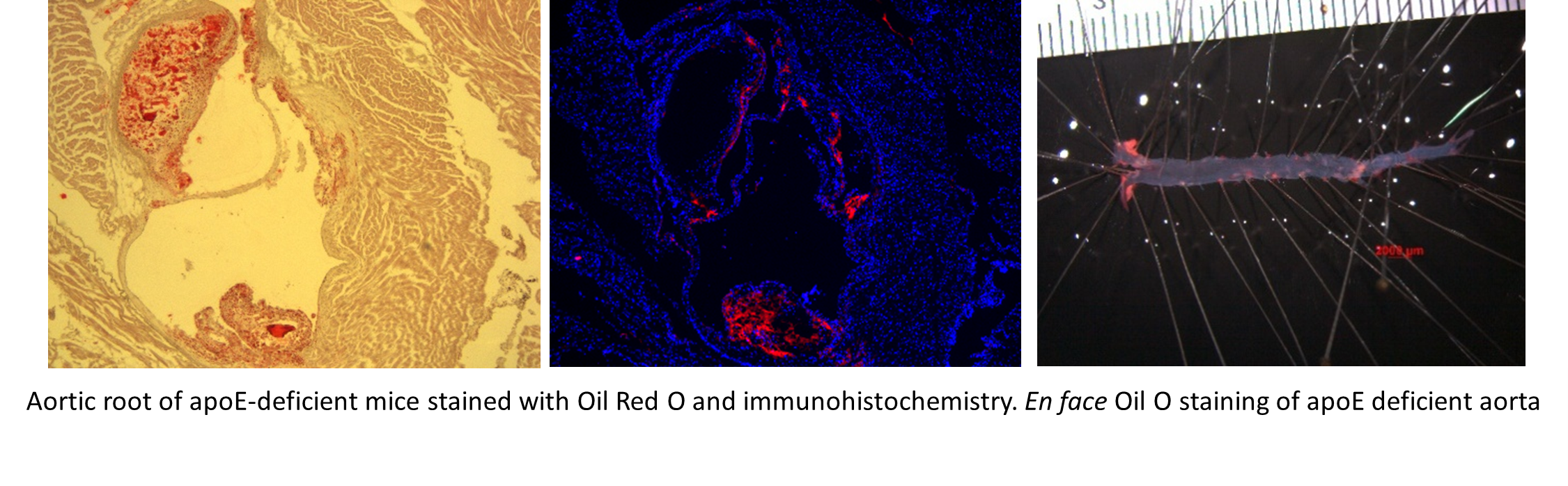
Rădăcina aortică a șoarecilor cu deficit de apoE colorată cu Oil Red O și imunohistochimie. Colorare Oil O en face a aortei cu deficit de apoE
Profilul lipoprint al LDL dintr-un caz normal și dislipidemic
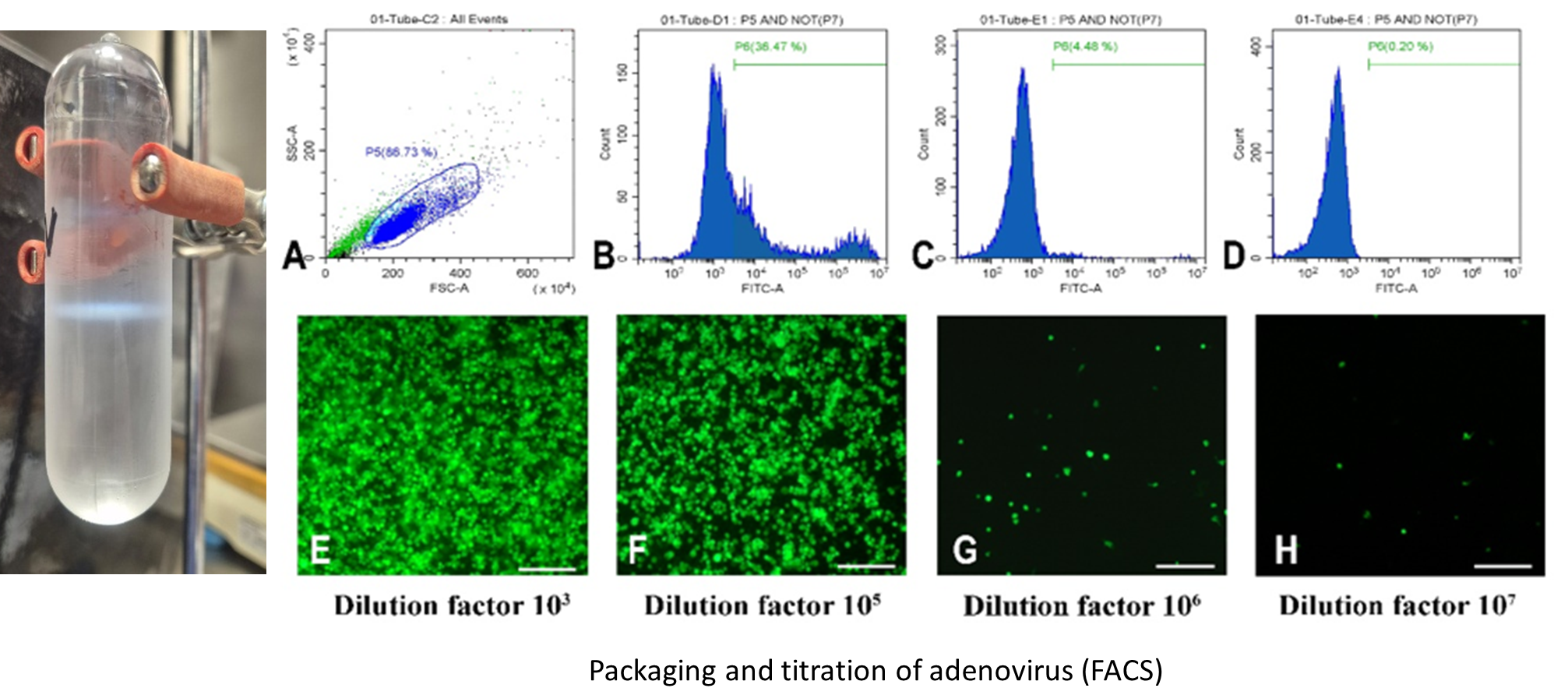
Impachetarea și titrarea adenovirusului (FACS)
Respirometrie de înaltă rezoluție pe echipamentul O2K Oroboros
Proiecte în curs
- 2023-2026 STROMA Consolidarea competențelor românești în cercetarea sindromului metabolic prin explorarea rolului apolipoproteinei A2 în dislipidemie, obezitate și diabet zaharat de tip II (ACRONIM: STROMA) PNRR project (contract 258/2023),coordonator Kyriakos Kypreos
- 2023-2026 CardioScope Evaluare cuprinzătoare și personalizată a sindromului coronarian acut prin abordare multiomică și strategie de inteligență artificială HORIZON-MSCA-2021-SE-01-01 CARDIOSCOPEGrant Agreement nº 101086397 Director de proiect Dr. Paolo Magni, University of Milan, Coordonator al echipei din România- Anca Gafencu
Proiecte finalizate
2022-2024: “A novel anti-atherosclerotic chimeric protein that impedes the infiltration of the inflammatory cells in the vessel wall”PN-III-P4-PCE-2021-1755, Project Director A. Gafencu.
2020-2022: Demonstration of the enhanced anti-atherosclerotic potential of apolipoprotein E targeted to the activated endothelium, by fusion with VCAM-1 binding peptide -project PN-III-P2-2.1-PED-2019- 4574 Project Director A. Gafencu
2019-2022: Integrative Personal Omics Profiles in Glioblastoma Recurrence and Therapy Resistance – ERA-NET PerMed – A. Gafencu - Coordinator for Romanian team
2016-2020 Improve institutional competitiveness in the field of type 1 diabetes by developing an innovative concept of immunotherapy based on mesenchymal stromal cells ACRONYM: DIABETER Project Director Nadir Askenasy.
2015-2017: Genetically engineered apolipoproteins immobilized on nanoparticles: a Molecular Trojan horse targeting atherosclerotic plaque (Acronym: APGEN) PN-II-RU-TE-2014-4-2143, Projects for Young Research Teams, supported by CNCSIS Romania (2015-2017), Project Director A. Gafencu.
2011-2016: Apolipoprotein E-based novel anti-atherosclerosis cell-therapy approaches, Exploratory research projects, project PN-II ID_PCE-2011-3-0591, supported by CNCSIS Romania (2011-2016), Project Director A. Gafencu.
2009-2011: Novel strategies employing genetic engineering to increase plasma HDL- the protective lipoproteins in atherosclerosis, Exploratory research projects:1307 supported by CNCSIS Romania, Project Director A. Gafencu.
2005-2007: Regulation of apolipoprotein gene clusters- an innovative therapeutic approach of neurodegenerative and cardiovascular diseases- Grant awarded by the Romanian Ministry of Research: “Excellence Research Program: Projects for Young Researchers.” Project Director A. Gafencu.
2005-2007: Regulation of the expression of the human apolipoprotein E gene in macrophages and the brain: new approaches for the treatment of dyslipidemias and Alzheimer’s Disease- Grant awarded by the Greek and Romanian Ministries of Research- to Prof Dimitris Kardassis and Dr. Anca Gafencu
2003-2005: ApoE gene regulation - therapeutic target in cardiovascular and neurodegenerative diseases -Grant awarded by the Romanian Ministry of Research- National Research Program for Biotechnology "BIOTECH" Project Director A. Gafencu.
2001-2003: Characterization of albumin and IgG receptors, expressed by the endothelial cells in normal and pathologic states Grant awarded by the Romanian Ministry of Research- National Research Program "CERES" Project Director A. Gafencu.
2000: Functional analysis of the IgG receptors in endothelial cells - Grant awarded by the Romanian Research Ministry Project Director A. Gafencu.
1999: Identification of FcR in human placental endothelial cells-Grant awarded by the Romanian Academy Project Director A. Gafencu.
1998: Immortalization of endothelial cells -Grant awarded by the Romanian Academy Project Director A. Gafencu.
1997-1998: Lipid composition of the microdomains of the endothelial cell membrane-Grant awarded by the Romanian Academy Project Director A. Gafencu.
1996-1999: Biochemical and functional characterization of the endothelial plasmalemma Grant awarded by the Romanian Research Ministry Project Director A. Gafencu.
-
Publicații
-
A. Lucrari indexate in PubMed:
- Amino acid residues L261, W264, F265, L268, and V269 of apolipoprotein E4 critically regulate adipose tissue metabolism. Zvintzou E, Giannopoulou PC, Giannatou K, Ionita R, Alemi M, Kakafoni G, Mparnia V, Dumitrescu M, Fenyo IM, Gafencu AV, Kypreos KE. J Lipid Res. 2025 Dec 5;67(1):100958. doi: 10.1016/j.jlr.2025.100958.
- Hypertriglyceridemia impairs HDL functionality, promotes macrophage metabolic activation and exacerbates antigen-induced rheumatoid arthritis in mice which can be reversed by fenofibrate treatment. Axiotis I, Kakale A, Lazaridou D, Dedemadi AG, Chroni A, Multescu M, Gafencu AV, Tzardi M, Kardassis D. Biochim Biophys Acta Mol Cell Biol Lipids. 2025 Sep 8;1870(8):159686
- Unravelling molecular mechanisms in atherosclerosis using cellular models and omics technologies. Kardassis D, Vindis C, Stancu CS, Toma L, Gafencu AV, Georgescu A, Alexandru-Moise N, Molica F, Kwak BR, Burlacu A, Hall IF, Butoi E, Magni P, Wu J, Novella S, Gamon LF, Davies MJ, Caporali A, de la Cuesta F, Mitić T. Vascul Pharmacol. 2025 Mar;158:107452. doi: 10.1016/j.vph.2024.107452. Epub 2024 Dec 10. PMID: 39667548
- Proteometabolomics of initial and recurrent glioblastoma highlights an increased immune cell signature with altered lipid metabolism. Cosenza-Contreras M, Schäfer A, Sing J, Cook L, Stillger MN, Chen CY, Hidalgo JV, Pinter N, Meyer L, Werner T, Bug D, Haberl Z, Kübeck O, Zhao K, Stei S, Gafencu AV, Ionita R, Brehar FM, Ferrer-Lozano J, Ribas G, Cerdá-Alberich L, Martí-Bonmatí L, Nimsky C, Van Straaten A, Biniossek ML, Föll M, Cabezas-Wallscheid N, Büscher J, Röst H, Arnoux A, Bartsch JW, Schilling O. Neuro Oncol. 2023 Oct 26:noad208. doi: 10.1093/neuonc/noad208. PMID: 37882631
- Peroxisome Proliferator-Activated Receptor α in Lipoprotein Metabolism and Atherosclerotic Cardiovascular Disease, Fuior EV, Zvintzou E, Filippatos T, Giannatou K, Mparnia V, Simionescu M, Gafencu AV., Kypreos KE, Biomedicines 2023, 11(10), 2696; https://doi.org/10.3390/biomedicines11102696 - 03 Oct 2023
- Synthetic lipoproteins based on apolipoprotein E coupled to fullerenol have anti-atherosclerotic properties. Tudorache IF, Bivol VG, Dumitrescu M, Fenyo IM, Simionescu M, Gafencu AV. Pharmacol Rep. 2022 Aug;74(4):684-695. doi: 10.1007/s43440-022-00379-8. Epub 2022 Jul 5. PMID: 35790693
- Apolipoprotein A-II, a Player in Multiple Processes and Diseases. Florea G, Tudorache IF, Fuior EV, Ionita R, Dumitrescu M, Fenyo IM, Bivol VG, Gafencu AV. Biomedicines. 2022 Jul 2;10(7):1578. doi: 10.3390/biomedicines10071578. PMID: 35884883
- Treatment with Mesenchymal Stromal Cells Overexpressing Fas-Ligand Ameliorates Acute Graft-versus-Host Disease in Mice. Vacaru AM, Mazilu AM, Dumitrescu M, Fenyo IM, Gafencu AV, Vacaru AM. Int J Mol Sci. 2022 Jan 4;23(1):534. doi: 10.3390/ijms23010534. PMID: 35008964
- An Efficient Method for Adenovirus Production. Dumitrescu M, Trusca VG, Fenyo IM, Gafencu AV. J Vis Exp. 2021 Jun 10;(172). doi: 10.3791/61691. PMID: 34180881
- K2 Transfection System Boosts the Adenoviral Transduction of Murine Mesenchymal Stromal Cells. Dumitrescu M, Vacaru AM, Trusca VG, Fenyo IM, Ionita R, Gafencu AV. Int J Mol Sci. 2021 Jan 9;22(2):598. doi: 10.3390/ijms22020598. PMID: 33435318
- Enhanced Suppression of Immune Cells In Vitro by MSC Overexpressing FasL. Vacaru AM, Dumitrescu M, Vacaru AM, Fenyo IM, Ionita R, Gafencu AV, Simionescu M. Int J Mol Sci. 2020 Dec 31;22(1):348. doi: 10.3390/ijms22010348. PMID: 33396269
- Adenovirus-Mediated FasL Minigene Transfer Endows Transduced Cells with Killer Potential. Dumitrescu M, Trusca VG, Savu L, Stancu IG, Ratiu AC, Simionescu M, Gafencu AV. Int J Mol Sci. 2020 Aug 20;21(17):6011. doi: 10.3390/ijms21176011. PMID: 32825521
- Simple and dual cross-linked chitosan millicapsules as a particulate support for cell culture. Fundueanu G, Constantin M, Bucatariu S, Nicolescu A, Ascenzi P, Moise LG, Tudor L, Trusca VG, Gafencu AV, Ficai D, Ficai A, Andronescu E. Int J Biol Macromol. 2020 Jan 15;143:200-212. doi: 10.1016/j.ijbiomac.2019.12.045. Epub 2019 Dec 6. PMID: 31816371
- The Mechanism of Bisphenol A Atherogenicity Involves Apolipoprotein A-I Downregulation through NF-κB Activation. Trusca VG, Dumitrescu M, Fenyo IM, Tudorache IF, Simionescu M, Gafencu AV. Int J Mol Sci. 2019 Dec 12;20(24):6281. doi: 10.3390/ijms20246281. PMID: 31842455 Free PMC article.
- Apolipoprotein C1: Its Pleiotropic Effects in Lipid Metabolism and Beyond. Fuior EV, Gafencu AV. Int J Mol Sci. 2019 Nov 26;20(23):5939. doi: 10.3390/ijms20235939. PMID: 31779116 Free PMC article. Review.
- The Opposite Effect of c-Jun Transcription Factor on Apolipoprotein E Gene Regulation in Hepatocytes and Macrophages. Trusca VG, Fuior EV, Kardassis D, Simionescu M, Gafencu AV. Int J Mol Sci. 2019 Mar 23;20(6):1471. doi: 10.3390/ijms20061471. PMID: 30909560
- Apolipoprotein E - A Multifunctional Protein with Implications in Various Pathologies as a Result of Its Structural Features. Tudorache IF, Trusca VG, Gafencu AV. Comput Struct Biotechnol J. 2017 Jun 6;15:359-365. doi: 10.1016/j.csbj.2017.05.003. eCollection 2017. PMID: 28660014
- Preferential Association of Lissencephaly-1 Gene Expression with CD133+ Glioblastoma Cells. Brehar FM, Gafencu AV, Trusca VG, Fuior EV, Arsene D, Amaireh M, Giovani A, Gorgan MR. J Cancer. 2017 May 11;8(7):1284-1291. doi: 10.7150/jca.17635. eCollection 2017. PMID: 28607604
- Differential action of glucocorticoids on apolipoprotein E gene expression in macrophages and hepatocytes. Trusca VG, Fuior EV, Fenyo IM, Kardassis D, Simionescu M, Gafencu AV. PLoS One. 2017 Mar 29;12(3):e0174078. doi: 10.1371/journal.pone.0174078. eCollection 2017. PMID: 28355284
- High levels of homocysteine downregulate apolipoprotein E expression via nuclear factor kappa B. Trusca VG, Mihai AD, Fuior EV, Fenyo IM, Gafencu AV. World J Biol Chem. 2016 Feb 26;7(1):178-87. doi: 10.4331/wjbc.v7.i1.178. PMID: 26981206
- Krüppel-like factor 4 synergizes with CREB to increase the activity of apolipoprotein E gene promoter in macrophages. Stavri S, Simionescu M, Kardassis D, Gafencu AV. Biochem Biophys Res Commun. 2015 Dec 4-11;468(1-2):66-72. doi: 10.1016/j.bbrc.2015.10.163. Epub 2015 Nov 4. PMID: 26546821
- Thyroid hormones upregulate apolipoprotein E gene expression in astrocytes. Roman C, Fuior EV, Trusca VG, Kardassis D, Simionescu M, Gafencu AV. Biochem Biophys Res Commun. 2015 Dec 4-11;468(1-2):190-5. doi: 10.1016/j.bbrc.2015.10.132. Epub 2015 Oct 29. PMID: 26519880
- Metformin reduces the endotoxin-induced down-regulation of apolipoprotein E gene expression in macrophages. Stavri S, Trusca VG, Simionescu M, Gafencu AV. Biochem Biophys Res Commun. 2015 May 29;461(2):435-40. doi: 10.1016/j.bbrc.2015.04.057. Epub 2015 Apr 18. PMID: 25899745
- Beyond Lipoprotein Receptors: Learning from Receptor Knockouts Mouse Models about New Targets for Reduction of the Atherosclerotic Plaque. Trusca VG, Fuior EV, Gafencu AV. Curr Mol Med. 2015;15(10):905-31. doi: 10.2174/1566524016666151123110310. PMID: 26592248
- Regulation of HDL genes: transcriptional, posttranscriptional, and posttranslational. Kardassis D, Gafencu A, Zannis VI, Davalos A. Handb Exp Pharmacol. 2015;224:113-79. doi: 10.1007/978-3-319-09665-0_3. PMID: 25522987
- The involvement of the monocytes/macrophages in chronic inflammation associated with atherosclerosis. Fenyo IM, Gafencu AV. Immunobiology. 2013 Nov;218(11):1376-84. doi: 10.1016/j.imbio.2013.06.005. Epub 2013 Jun 19. PMID: 23886694
- STAT1 interacts with RXRα to upregulate ApoCII gene expression in macrophages. Trusca VG, Florea IC, Kardassis D, Gafencu AV. PLoS One. 2012;7(7):e40463. doi: 10.1371/journal.pone.0040463. Epub 2012 Jul 12. PMID: 22808166
- Macrophage-specific up-regulation of apolipoprotein E gene expression by STAT1 is achieved via long range genomic interactions. Trusca VG, Fuior EV, Florea IC, Kardassis D, Simionescu M, Gafencu AV. J Biol Chem. 2011 Apr 22;286(16):13891-904. doi: 10.1074/jbc.M110.179572. Epub 2011 Mar 3. PMID: 21372127
- AP-1-dependent transcriptional regulation of NADPH oxidase in human aortic smooth muscle cells: role of p22phox subunit. Manea A, Manea SA, Gafencu AV, Raicu M, Simionescu M. Arterioscler Thromb Vasc Biol. 2008 May;28(5):878-85. doi: 10.1161/ATVBAHA.108.163592. Epub 2008 Feb 28. PMID: 18309110
- Regulation of NADPH oxidase subunit p22(phox) by NF-kB in human aortic smooth muscle cells. Manea A, Manea SA, Gafencu AV, Raicu M. Arch Physiol Biochem. 2007 Oct-Dec;113(4-5):163-72. doi: 10.1080/13813450701531235. PMID: 18158642
- Inflammatory signaling pathways regulating ApoE gene expression in macrophages. Gafencu AV, Robciuc MR, Fuior E, Zannis VI, Kardassis D, Simionescu M. J Biol Chem. 2007 Jul 27;282(30):21776-85. doi: 10.1074/jbc.M611422200. Epub 2007 Jun 6. PMID: 17553793
- Proliferation, differentiation and characterization of osteoblasts from human BM mesenchymal cells. Titorencu I, Jinga V, Constantinescu E, Gafencu A, Ciohodaru C, Manolescu I, Zaharia C, Simionescu M. Cytotherapy. 2007;9(7):682-96. doi: 10.1080/14653240701561329. PMID: 17917883
- Relationship of eNOS gene variants to diseases that have in common an endothelial cell dysfunction. Heltianu C, Costache G, Gafencu A, Diaconu M, Bodeanu M, Cristea C, Azibi K, Poenaru L, Simionescu M. J Cell Mol Med. 2005 Jan-Mar;9(1):135-42. doi: 10.1111/j.1582-4934.2005.tb00343.x. PMID: 15784171
- Investigation of IgG receptors expressed on the surface of human placental endothelial cells. Gafencu A, Heltianu C, Burlacu A, Hunziker W, Simionescu M. Placenta. 2003 Jul;24(6):664-76. doi: 10.1016/s0143-4004(03)00041-9. PMID: 12828925
- Transcytosis of plasma macromolecules in endothelial cells: a cell biological survey. Simionescu M, Gafencu A, Antohe F. Microsc Res Tech. 2002 Jun 1;57(5):269-88. doi: 10.1002/jemt.10086. PMID: 12112439
- Severity of oxidative stress generates different mechanisms of endothelial cell death. Burlacu A, Jinga V, Gafencu AV, Simionescu M. Cell Tissue Res. 2001 Dec;306(3):409-16. doi: 10.1007/s004410100424. Epub 2001 Oct 23. PMID: 11735041
- Expression of functionally active FcRn and the differentiated bidirectional transport of IgG in human placental endothelial cells. Antohe F, Rădulescu L, Gafencu A, Gheţie V, Simionescu M. Hum Immunol. 2001 Feb;62(2):93-105. doi: 10.1016/s0198-8859(00)00244-5. PMID: 11182218
- Establishment of a pure vascular endothelial cell line from human placenta. Jinga VV, Gafencu A, Antohe F, Constantinescu E, Heltianu C, Raicu M, Manolescu I, Hunziker W, Simionescu M. Placenta. 2000 May;21(4):325-36. doi: 10.1053/plac.1999.0492. PMID: 10833367
- Protein and fatty acid composition of caveolae from apical plasmalemma of aortic endothelial cells. Gafencu A, Stanescu M, Toderici AM, Heltianu C, Simionescu M. Cell Tissue Res. 1998 Jul;293(1):101-10. doi: 10.1007/s004410051102. PMID: 9634602
- Expression of transferrin receptors in endothelial cells transfected by electroporation.Heltianu C, Serban G, Alexandru V, Gafencu A, Simionescu N, Simionescu M. Eur J Cell Biol. 1997 Jan;72(1):79-89. PMID: 9013729
Lista publicațiilor indexate în alte baze de date
1. Transfection of type I receptor for immunoglobulin G in bovine aortic endothelial cells C. Neagoe, A. Gafencu, C. Heltianu, Current Protocols in Cell Biology, 1998, 3: 378-383
2. Immortalization of endothelial cells A Gafencu, C. Heltianu, A. Burlacu, W. Hunziker, M. Simionescu, Proceedings of the Romanian Academy Series B, 2, p.117-121, 2001.
3. Hyperlipemic serum stimulates the binding and the endocytosis of IgG by the endothelial aortic cells A. Gafencu, O. Postea, C. Heltianu, M. Simionescu, Current Problems and Techniques in Cellular and Molecular Biology 2001 p79-83.
4. Albumin binding sites in human placental endothelial cells A. Gafencu, M Dutca, C. Heltianu, Analele SNBC p. 64-68, 2003.
5. Expression of apoE3-HRP chimeric molecule in HEK293 cells I.C. Florea, V. G. Trusca, I.M. Fenyo, A.V. Gafencu, vol. XIV nr. 2/2009, p21-27 Annals of the Romanian Society for Cell Biology.
6. The expression of translin is regulated by inflammatory stimuli in monocytes and macrophages E.V. Fuior, V.G. I.M. Fenyo, A.V Gafencu Annals of R.S.C.B., Vol. XIX, Issue 2, 2015, pp. 33 - 40
7. Enzymatic targets in atherosclerosis E.V. Fuior, V.G. Trusca, C.Roman, A.V Gafencu - J Mol Genet Med 9:176.
8. High levels of homocysteine downregulate apolipoprotein E expression via NF-kB V.G. Trusca, A. D. Mihai, E.V. Fuior, M.I. Fenyo, A.V. Gafencu World Journal of Biological Chemistry 2016;7(1):178-87. doi: 10.4331/wjbc.v7.i1.178.
B. Capitole din cărți
1. Molecular targets for atherosclerosis treatment I.M. Fenyo and A.V. Gafencu. From Vascular Cell Biology to Cardiovascular Medicine, 2011: ISBN: 978-81-7895-503-2
2. Organotypic brain slice model in glioblastoma research F.M Brehar, A. Gafencu, MR Gorgan Book Chapter in Experimental Models in Glioblastoma Research January 01, 2015, Pages 73-83 ISBN: 978-163482535-1;978-163321924-3, Nova Science Publishers, Inc.
3. Signaling Pathways Regulating Gene Expression in Atherosclerosis Anca Violeta Gafencu, Ioana Madalina Fenyo, Elena Valeria Fuior, Madalina Dumitrescu, Oana Mirancea, Marius Multescu, Irina Florina Tudorache, José Basílio, Johannes A. Schmid and Dimitris Kardassis – in press 2025
-
Brevete
1. Adenovirus containing murine FasL mini-gene for induction of the functional FasL expression in transduced cells – M.Dumitrescu, V.G.Truscă, A. Burlacu, M.Simionescu, N. Askenasy, A.V. Gafencu – OSIM A/00512/26.08.2019
2. The technologic process of polymeric vesicles and tubes formation, D.Ficai, A.Iliev, A.Ficai, V.G.Trusca, A. V.Gafencu, S-M.Bucatariu, C.G. Fundueanu, M. Simionescu, E. Andronescu – A 01054/5.12.2018
3. Intelligent nanoparticle systems for cell internalization- C. Movileanu, D. Ficai, A.Ficai, M.Calin, M.F. Anghelache, A.V.Gafencu, C.G. Fundueanu, M. Pinteala, M. Simionescu, E.Andronescu A00339/15.06.2021
4. An efficient method for purification of lentiviruses used as delivery vectors for genes or other nucleic acid fragments A.V. Gafencu M. Dumitrescu,I Tudorache A A00688/27.10.2022.
5. A chimeric protein targeted at activated cells for cholesterol binding and transport - A.V. Gafencu, Fuior Elena Valeria, Ghinea Madalin, Croitoru Ovidiu Valeriu - patent application A/00017 dated 17/02/2025
-
Logo